
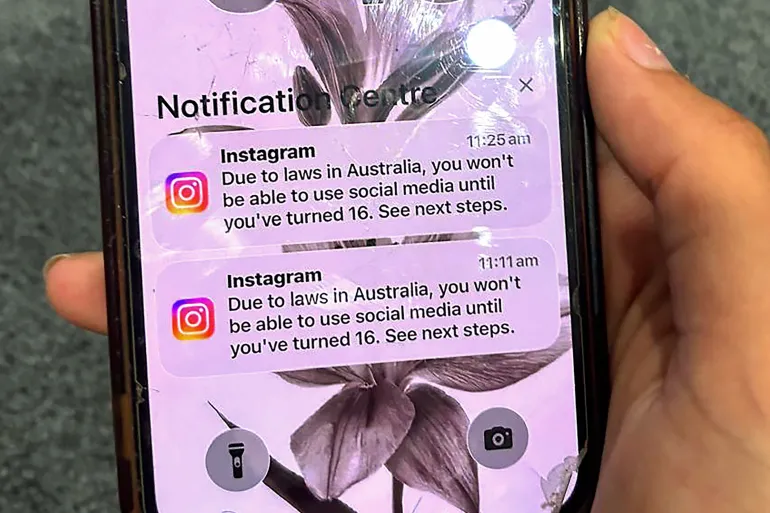
On December 10, 2025, Australia officially enacted the world’s first nationwide social media ban for individuals under 16, forcing major tech platforms to block access or face penalties. Platforms like TikTok, Instagram, Facebook, Snapchat, Reddit, YouTube, X, Threads, Kick, and Twitch must now ensure minors under 16 cannot maintain or create accounts — or risk fines up to AUD 49.5 million. (Reuters)
While the immediate headlines focused on the ban’s implementation, this landmark move raises far deeper questions about digital rights, enforcement technology, youth mental health, and future global policy trends.
Why Australia’s Ban Matters
Australia’s decision marks a turning point in digital policy. Until now, most countries required parental consent for minors on social platforms or applied age-based content filters. Australia has taken the bold step of raising the minimum age for social media accounts from commonly accepted industry standards (often age 13) to 16, eliminating parental exceptions. (Wikipedia)
The intent behind this law, championed by Prime Minister Anthony Albanese and Communications Minister Anika Wells, is clear: protect children from online harms associated with prolonged social media use, including cyberbullying, exposure to inappropriate content, addictive algorithms, and mental health challenges. (Reuters)
Implementation and Enforcement — Expectations vs. Reality
One of the biggest challenges in enforcing the ban is technology. Social media companies are deploying age verification systems — ranging from biometric scans and government ID checks to behavioral age inference tools — to identify users’ ages. (People.com)
However, no method is foolproof:
- Teens have already reported bypassing facial age checks. (Reddit)
- Reliance on device data or self-attested age might result in both false positives and false negatives.
- Some platforms struggle to implement systems in time, leaving gaps that users may exploit. (The Guardian)
This raises a critical question: Can a policy intended to protect youth be implemented effectively when the enforcement mechanisms are inherently imperfect?
Legal Battles and Rights Debates
The social media ban hasn’t gone unchallenged. Reddit has filed a High Court suit, arguing the law infringes on constitutionally implied freedoms of communication — particularly political expression and community engagement. (Reuters)
Moreover:
- Privacy advocates warn that intrusive age verification could compromise personal data.
- Child rights groups caution that blanket bans may isolate vulnerable youth who rely on safe online communities for support and expression.
These perspectives underline a broader legal and ethical debate: Does national government have the authority to restrict digital rights for minors — or should parents retain that responsibility?
Personal and Societal Impacts
Millions of under-16 Australians have already seen their accounts deactivated. Some teens publicly mourn the loss of communities and creative outlets. (The Business Standard)
For families, the ban creates both challenges and opportunities:
- Supporters argue it encourages healthier offline habits.
- Critics fear it may push teens toward lesser-regulated platforms or unsafe digital spaces.
A deeper look at social science research suggests excessive social media use can correlate with anxiety and self-esteem issues among adolescents — but correlation does not equal causation, and policy responses based on ambiguous data can have unintended consequences.
Global Reactions and Precedents
Australia’s move is prompting global conversations around youth digital safety. Countries like Denmark, Malaysia, France, Italy, and Norway are exploring or enacting age-based social media regulations, though approaches vary widely. (Reuters)
For instance:
- Denmark plans a ban for under-15s with parental opt-ins down to age 13.
- France requires parental consent for users under 15.
- U.S. states grapple with free expression vs. safety laws.
These differing models suggest that while many governments recognize online harms, there is no international consensus on best practice.
Criticisms and Practical Challenges
Human rights organizations — including Amnesty International — have called the Australian ban an ineffective “quick fix” that fails to address root causes of online harm. (Amnesty International)
Key practical concerns include:
- Enforcement loopholes and evasive technology.
- The potential for alienation of marginalized youth.
- Privacy risks from verification systems.
These criticisms underscore the need for nuanced policy design informed by data, technology expertise, and child psychology.
Lessons for Parents and Policymakers
Rather than solely relying on bans, experts recommend a multipronged strategy:
- Digital literacy education in schools and homes.
- Parental controls tailored to individual family values.
- Collaboration between tech companies, child health professionals, and regulators.
This balanced approach aims not just to restrict access, but to build resilience and informed digital habits in young people.
Conclusion: Beyond a Ban
Australia’s under-16 social media ban is historic — but it is only one piece in a larger global conversation about youth, technology, and wellbeing. As other nations watch, the effectiveness, ethical implications, and adaptability of such laws will be scrutinized. Policymakers worldwide must learn not just from Australia’s bold action, but also from the limitations and debates that surround it.
