
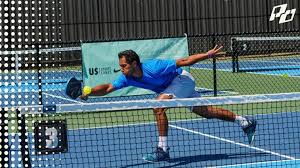
To improve your pickleball reaction time, focus on anticipation, proper positioning, and simple reflex drills that train your hands, eyes, and feet to work together. Beginners can dramatically improve reaction speed by using wall drills, compact swings, and better court awareness—often without needing elite athleticism or hours of daily practice.
Why Reaction Time Matters So Much in Pickleball
Pickleball is a fast, close-range sport, especially at the non-volley zone (the kitchen). Unlike tennis, you often have less than one second to react to volleys, speed-ups, and hand battles.
Better reaction time allows you to:
- Win dink exchanges
- Defend body shots
- Handle speed-ups calmly
- Reset balls instead of popping them up
- Feel less rushed and more in control
The good news? Reaction time is highly trainable, even for beginners and older players.
Is Reaction Time Natural or Can You Train It?
Many beginners assume reaction speed is genetic. That’s only partially true.
In pickleball, anticipation beats raw reflexes.
What looks like lightning-fast hands is usually:
- Better paddle positioning
- Reading opponents earlier
- Compact swings
- Efficient footwork
This means beginners can improve reaction time faster than expected with the right approach.
1. Improve Your Ready Position (Fast Hands Start Here)
One of the biggest mistakes beginners make is holding the paddle too low or too far back.
Proper Ready Position:
- Paddle up in front of your chest
- Elbows slightly away from your body
- Knees bent, weight on the balls of your feet
- Paddle face slightly open
This alone can cut reaction time in half because your paddle is already where it needs to be.
2. Shorten Your Swing for Faster Reactions
Long swings kill reaction time.
At the kitchen line:
- Use punch volleys, not full swings
- Think “block” instead of “hit”
- Keep motions compact and controlled
Short swings = faster recovery = quicker next reaction
3. Learn to Anticipate (The Secret of “Fast” Players)
Anticipation is the most underrated reaction skill.
Watch These Cues:
- Opponent’s paddle angle
- Shoulder rotation
- Ball height and speed
- Their body balance
When you recognize patterns, your brain reacts before the ball is struck—making you feel faster instantly.
4. Wall Drills: The Best Solo Reaction Training
Wall drills are consistently mentioned online—and for good reason—but few articles explain how to do them correctly.
Beginner Wall Drill:
- Stand 6–8 feet from a wall
- Hit gentle forehand volleys
- Keep rally going for 30–60 seconds
- Progress to alternating forehand/backhand
Why it works:
The ball returns faster than from a human opponent, forcing quicker reactions and paddle control.
5. Can You Improve Pickleball Reaction Time at Home?
Yes—and this is where many articles fall short.
At-Home Reaction Drills:
- Toss a tennis ball against a wall and catch it
- Drop a ball and react before second bounce
- Use a reflex or boxing ball
- Shadow volley in front of a mirror
Even 5–10 minutes a day builds neural speed.
6. Footwork Makes Your Hands Faster
Your hands can’t react if your feet are stuck.
Key Footwork Tips:
- Stay light on your toes
- Take small adjustment steps
- Avoid crossing feet at the kitchen line
- Recover to ready position after every shot
Better footwork creates time, and time improves reaction success.
7. How Do Beginners Handle Fast Speed-Ups?
Speed-ups feel overwhelming because beginners panic.
Reaction Strategy:
- Expect speed-ups (don’t hope they won’t happen)
- Keep paddle centered
- Block to the middle of the court
- Aim for control, not winners
Calm blocking beats wild swinging every time.
8. How Often Should You Train Reaction Time?
Consistency matters more than duration.
Ideal Schedule:
- 2–3 short sessions per week
- 10–15 minutes per session
- Mix drills + real play
Reaction training is neurological—short, frequent practice works best.
9. Does Age Affect Pickleball Reaction Time?
Yes—but not as much as people think.
Older players often:
- Anticipate better
- Choose higher-percentage shots
- Position more intelligently
Training focus for older beginners:
- Paddle position
- Reading opponents
- Compact movements
- Joint-safe drills
Smart play beats fast youth.
10. Common Mistakes Slowing Reaction Time
Avoid these beginner traps:
- Standing too upright
- Holding paddle too low
- Swinging too big
- Watching the ball too late
- Reacting instead of anticipating
Fixing just one of these can produce immediate improvement.
Bonus: Simple 7-Day Reaction Time Plan
Day 1–2
- Ready position practice
- Wall volleys (5 minutes)
Day 3–4
- Shadow volleys
- Footwork adjustments
Day 5
- Live dink exchanges
- Focus on anticipation
Day 6
- Speed-up blocking practice
Day 7
- Light match play
- Focus on calm reactions
Final Thoughts: Fast Hands Are Trained, Not Gifted
Improving pickleball reaction time isn’t about being younger, stronger, or faster—it’s about preparation, positioning, and smart repetition. Beginners who train anticipation, compact swings, and paddle readiness often surpass more athletic players who rely on reflexes alone.
Start small, stay consistent, and your reaction time will improve faster than you expect.
If you want, I can:
- Rewrite this for even higher conversion
- Optimize it for featured snippets
- Add schema FAQ markup
- Tailor it to older players or beginners only
- Turn it into a pillar + cluster content strategy
Just tell me 👍
