
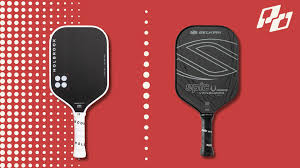
Why does my pickleball paddle lose power?
Your pickleball paddle loses power because repeated ball impact slowly breaks down the paddle’s surface and core, reducing its ability to return energy to the ball. Over time, surface grit wears smooth, the core compresses or separates, and “dead spots” form—making shots feel softer, slower, and less explosive even when your swing stays the same.
Understanding Power in a Pickleball Paddle (Simple Explanation)
Power in pickleball doesn’t come from stiffness alone—it comes from energy transfer.
When the ball hits your paddle:
- The paddle face flexes slightly
- The honeycomb core compresses
- Both snap back, sending energy into the ball
A new paddle acts like a spring.
A worn paddle acts like a shock absorber—energy goes in, but less comes back out.
That’s the core reason paddles lose power.
1. Surface Wear: The Most Common Cause of Power Loss
What happens?
The textured surface (carbon fiber, fiberglass, or composite) gradually smooths out from friction.
Why it reduces power
- Less grip = shorter ball contact time
- Less dwell time = weaker energy transfer
- Spin loss often comes before power loss
Beginner tip
If your drives feel flatter and your topspin drops suddenly, surface wear is likely the first warning sign.
2. Core Crushing: The “Soft Paddle” Problem
What is core crushing?
The honeycomb polymer core permanently compresses from thousands of ball strikes.
Why it kills power
- The core stops rebounding fully
- Energy is absorbed instead of returned
- Paddle feels muted or “dead”
Most affected paddles
- Power paddles
- Thin paddles (13mm–14mm)
- Players who hit hard drives frequently
3. Delamination: When Layers Separate Inside the Paddle
What is delamination?
The paddle face begins separating from the core internally—sometimes without visible cracks.
Signs of delamination
- Sudden drop in power
- Hollow or dull sound
- Ball launches inconsistently
Why it happens
- Heat exposure (car trunks are notorious)
- Moisture
- Repeated hard impacts
⚠️ Delaminated paddles can become illegal for tournament play due to excessive trampoline effect in some spots.
4. Dead Spots: Why Some Hits Feel Fine and Others Don’t
What are dead spots?
Localized areas where the paddle no longer responds properly.
Why they form
- Repeated hits in the same area
- Ground or fence contact
- Core breakdown under stress points
How to test for dead spots
Tap a ball across the paddle face—listen for dull sounds or feel uneven rebound.
5. Edge Guard Damage Accelerates Power Loss
A loose or cracked edge guard allows:
- Moisture penetration
- Faster delamination
- Uneven face tension
Even minor edge damage can shorten paddle life dramatically.
6. Environmental Factors That Kill Paddle Power Faster
Heat
- Softens adhesives
- Weakens polymer cores
- Speeds up delamination
Cold
- Makes materials brittle
- Increases micro-cracking
Moisture
- Breaks adhesive bonds
- Swells core materials
Rule of thumb:
If you wouldn’t store it in those conditions, don’t store your paddle there.
7. Ball Type and Play Style Matter More Than You Think
Hard outdoor balls
- Wear paddles faster
- Increase core compression
Aggressive play styles
- Heavy drives
- Frequent resets from midcourt
- Power serves
These styles dramatically shorten paddle lifespan compared to soft dink-focused play.
8. How Long Do Pickleball Paddles Actually Last?
| Player Type | Average Paddle Life |
|---|---|
| Casual (1–2x/week) | 9–12 months |
| Regular (3–4x/week) | 4–8 months |
| Competitive / Hard hitter | 2–4 months |
Modern paddles are performance equipment, not lifetime gear.
9. Is It the Paddle or Your Technique?
Ask yourself:
- Did power drop suddenly or gradually?
- Do mishits feel worse than before?
- Does the paddle sound different?
If your swing speed is unchanged and shots feel weaker, the paddle—not your technique—is usually the culprit.
10. Can You Fix a Paddle That Lost Power?
Short answer: No—only delay replacement.
Temporary improvements
- Overgrip replacement (comfort only)
- Lead tape (changes balance, not pop)
Once the core or face breaks down, power loss is permanent.
Supporting Questions (Fused Answers for SEO & PAA)
Do pickleball paddles lose power over time?
Yes. All modern paddles lose power as the surface wears and the core compresses from repeated ball impact.
What does a dead pickleball paddle feel like?
Muted, soft, inconsistent, and less responsive—especially on drives and serves.
Can a paddle lose power without visible damage?
Absolutely. Internal core crushing and delamination often happen invisibly.
Why did my paddle suddenly lose pop?
Sudden pop loss often indicates delamination or localized core failure.
Do carbon fiber paddles lose power faster?
They often lose spin first, but core breakdown—not surface material—determines power lifespan.
Does hitting the ground damage power?
Yes. Even light ground contact creates internal stress that accelerates dead spots.
Can lead tape restore power?
No. Lead tape changes balance and swing weight but does not restore lost energy return.
How do I know when to replace my paddle?
When power, sound, and consistency drop despite unchanged technique.
Do expensive paddles last longer?
Not necessarily. High-performance paddles often trade durability for feel and pop.
Are paddles considered consumables?
Yes. Competitive players treat paddles like strings in tennis—meant to be replaced regularly.
Final Takeaway
Your pickleball paddle loses power because its ability to return energy degrades with use. Surface wear, core crushing, delamination, and environmental exposure slowly turn a springy paddle into a shock absorber. Understanding these signs early helps you avoid blaming your technique—and ensures you replace your paddle before it costs you performance.
