
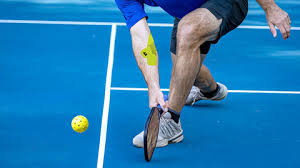
Why Does Pickleball Hurt My Elbow?
Pickleball hurts your elbow because it repeatedly strains the tendons that attach forearm muscles to the outside of your elbow, a condition known as lateral epicondylitis or “pickleball elbow.” Repetitive swings, tight gripping, poor technique, and sudden increases in play overload these tendons faster than they can heal.
What Is Pickleball Elbow?
Pickleball elbow is the same injury commonly called tennis elbow. Despite the name, it has nothing to do with tennis specifically.
It occurs when the forearm extensor tendons—which stabilize your wrist and control paddle impact—become irritated or develop tiny tears from repeated stress.
The result?
- Pain on the outside of the elbow
- Weak grip strength
- Ache during or after play
- Stiffness the next morning
Why Pickleball Causes Elbow Pain More Than You Expect
Pickleball looks easy on the body—but it’s deceptively demanding on the elbow.
1. Repetitive, Compact Movements
Unlike tennis, pickleball relies on:
- Short swings
- Quick reactions
- Rapid volleys at the net
These movements heavily recruit forearm muscles, especially during backhands.
2. Constant Paddle Impact
Every shot sends vibration through the paddle into your arm. Over time, this repetitive shock loads the elbow tendons, especially if your grip or paddle isn’t ideal.
3. Beginners Play Too Much, Too Soon
One of the biggest causes of pickleball elbow is sudden volume.
Many players go from:
- Zero racket sports
- To playing 4–6 days a week
Tendons adapt slowly—much slower than muscles or cardio fitness.
Is Elbow Pain from Pickleball Normal?
Yes—but it’s not something you should ignore.
Mild soreness early on is common. Persistent pain, worsening discomfort, or pain that interferes with daily activities is not normal and signals tendon overload.
Ignoring it often turns a minor irritation into a months-long injury.
What Movements Cause the Most Elbow Pain in Pickleball?
Backhand shots
Backhands place the greatest load on the wrist extensors, especially one-handed backhands with a stiff wrist.
Serves
Serving combines speed, grip force, and wrist stabilization—three major stressors.
Volleys and dinks
Quick reaction shots require constant micro-adjustments, fatiguing the forearm.
Can Your Grip Be Causing Pickleball Elbow?
Absolutely.
Common grip mistakes:
- Grip too small → overworking forearm muscles
- Death grip pressure → constant muscle tension
- No grip cushioning → increased vibration
A simple rule: you should fit one finger between your palm and fingers when holding the paddle.
Does Paddle Choice Affect Elbow Pain?
Yes—significantly.
Paddle factors linked to elbow pain:
- Heavier paddles
- Hard paddle faces
- Poor vibration dampening
- Incorrect grip size
Beginners often benefit from:
- Mid-weight paddles
- Softer face materials
- Cushioned grips
Why Does My Elbow Hurt After Pickleball, Not During?
This delayed pain is typical of tendon injuries.
During play:
- Muscles are warm
- Blood flow masks irritation
Afterward:
- Inflammation increases
- Micro-tears become painful
- Stiffness sets in overnight
This is why many players feel fine during games but sore the next morning.
How Long Does Pickleball Elbow Take to Heal?
Recovery depends on severity and behavior.
- Mild cases: 2–6 weeks
- Moderate cases: 6–12 weeks
- Severe or ignored cases: 6–12 months
Continuing to play through pain dramatically increases recovery time.
Should You Stop Playing Pickleball If Your Elbow Hurts?
You don’t always need to quit—but you do need to modify.
Often necessary:
- Temporary rest
- Reduced frequency
- Technique adjustments
- Strengthening exercises
Playing through sharp pain almost always makes the injury worse.
How Do You Treat Pickleball Elbow?
Short-term relief:
- Rest from aggravating movements
- Ice after play
- Light compression or elbow strap
Long-term solution:
- Progressive forearm strengthening
- Grip and technique corrections
- Shoulder and core strengthening
- Gradual return to play
Passive treatments alone (ice, braces) won’t fix the root cause.
Can Exercises Prevent Pickleball Elbow?
Yes—and they’re one of the most effective tools.
Key focus areas:
- Wrist extensors
- Wrist flexors
- Forearm rotation muscles
- Shoulder stabilizers
Eccentric exercises (slow lowering motions) are especially effective for tendon health.
Why Does Pickleball Elbow Keep Coming Back?
Recurring pain usually means:
- Load wasn’t reduced long enough
- Strength wasn’t rebuilt
- Technique wasn’t corrected
- Play volume increased too fast again
Tendons need progressive loading, not sudden stress spikes.
Is Pickleball Elbow the Most Common Pickleball Injury?
Yes. It’s consistently reported as the most common overuse injury in pickleball, especially among players over 40 and those new to racket sports.
How Can You Prevent Elbow Pain from Pickleball?
Smart prevention strategies:
- Warm up wrists and shoulders before play
- Use proper grip size and pressure
- Strengthen forearms weekly
- Increase play volume gradually
- Rest at the first sign of pain
Prevention is far easier than rehab.
When Should You See a Doctor?
Seek medical advice if:
- Pain lasts longer than 6–8 weeks
- Grip strength is noticeably weaker
- Pain interferes with daily tasks
- Symptoms worsen despite rest
Early treatment leads to faster recovery.
Final Takeaway
Pickleball hurts your elbow because repetitive swings, tight gripping, and rapid increases in play overload delicate elbow tendons faster than they can adapt. The good news? With proper technique, smart equipment choices, gradual progression, and targeted strengthening, pickleball elbow is highly preventable—and treatable.
