
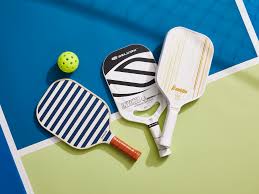
Your pickleball paddle feels dead because its surface texture or internal core has worn down or been damaged, reducing pop, spin, and responsiveness. This usually happens from normal wear, hard impacts, heat exposure, or core crushing over time. A dead paddle produces a dull sound, inconsistent shots, and less control compared to when it was new.
Why Most Articles Miss the Mark (And How This One Is Different)
Many existing articles and forum posts:
- Jump straight into technical terms (delamination, thermoforming) without explaining them
- Don’t clearly answer “Is it the paddle or is it me?”
- Focus on advanced players, not beginners
- Fail to explain how long paddles realistically last
- Don’t help readers decide what to do next
This guide fixes that by:
- Explaining causes in plain language
- Giving simple at-home tests
- Comparing paddle issues vs player issues
- Helping you decide when to replace (or not)
- Covering all common beginner search questions in one place
What Does “Dead” Mean in Pickleball?
A “dead” paddle doesn’t mean it’s broken in half. It means the paddle has lost its responsiveness.
A healthy paddle gives you:
- A crisp “pop” sound
- Predictable ball speed
- Good spin and touch
- Consistent feel across the face
A dead paddle feels:
- Muffled or dull on contact
- Weak or inconsistent
- Harder to control
- Like you’re swinging but nothing happens
The 5 Main Reasons a Pickleball Paddle Feels Dead
1. Worn-Out Surface Grit (Most Common Cause)
The textured face of your paddle creates spin and grip. Over time:
- The grit wears smooth
- Spin drops dramatically
- Control feels slippery
- Dinks and drops become harder
Why articles fall short:
Many mention grit wear but don’t explain that spin loss often feels like power loss, confusing beginners.
Beginner tip:
If your paddle face looks shiny instead of textured, it’s probably worn out.
2. Core Crushing (Internal Damage You Can’t See)
Most paddles use a polymer honeycomb core. Repeated impact can:
- Compress the core
- Create dead spots
- Reduce energy return
Causes include:
- Hard drives
- Paddle-to-paddle collisions
- Repeated hits in the same spot
Key sign:
Some areas feel soft or lifeless compared to others.
3. Delamination (Especially in Thermoformed Paddles)
Delamination happens when the paddle face separates from the core.
This can cause:
- Mushy feel
- Inconsistent power
- Strange sounds (crinkling or hollow)
Important:
Delaminated paddles sometimes feel too powerful at first, then suddenly die.
4. Edge Guard Damage or Separation
The edge guard holds everything together. When it loosens:
- The paddle flex changes
- Energy transfer becomes uneven
- Dead spots develop near the edges
Many articles mention this but don’t explain why it matters—it affects the entire paddle structure.
5. Heat and Environmental Damage (Often Ignored)
Leaving your paddle:
- In a hot car
- In direct sun
- In a garage
can:
- Soften adhesives
- Warp the core
- Accelerate delamination
This is one of the most overlooked causes online.
How Long Do Pickleball Paddles Last? (Realistic Answer)
This is where most blogs are vague.
Average Paddle Lifespan
- Casual players: 12–18 months
- Regular players (3–4x/week): 6–12 months
- Competitive players: 3–6 months
Spin-focused paddles often wear out faster than power paddles.
How to Tell If Your Paddle Is Dead (At-Home Tests)
1. Sound Test
Tap different spots with a ball or knuckle.
- Good paddle: crisp, even sound
- Dead paddle: dull or uneven tone
2. Feel Test
Press gently on the face.
- Soft spots = core damage
- Crinkling sound = delamination
3. Visual Test
Look for:
- Smooth or shiny face
- Chips or dents
- Edge guard separation
- Warping or bubbling
Is It the Paddle or Is It the Player?
This question dominates forums—and most answers are unhelpful.
It’s Probably the Paddle If:
- You suddenly lose control
- Shots feel inconsistent
- Spin disappears
- Your partner’s paddle feels noticeably better
It Might Be the Player If:
- You’re fatigued
- You changed grip or technique
- You’re playing with new balls
- You’re adjusting to a new paddle style
Simple test:
Borrow a similar paddle from another player. If your shots immediately improve, it’s not you.
Can You Fix a Dead Pickleball Paddle?
Short answer: No.
- Core damage is permanent
- Re-gritting is not USA Pickleball approved
- Repairs often cost more than replacement
Most fixes are temporary and reduce paddle legality.
When Should You Replace Your Paddle?
Replace it when:
- You notice consistent dead spots
- Spin is noticeably gone
- Control drops despite good technique
- The paddle sounds dull across the face
Don’t wait until it’s completely unplayable—many players adjust subconsciously and stall improvement.
Final Takeaway
Yes—pickleball paddles absolutely can feel dead, and it’s usually not your fault. Normal wear, internal core damage, lost surface grit, and heat exposure all reduce performance over time. If your paddle sounds dull, feels inconsistent, or has lost spin, replacing it is often the fastest way to improve your game.
A fresh paddle doesn’t just restore pop—it restores confidence.
