
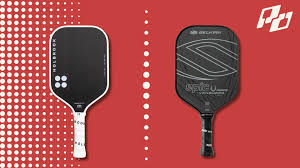
If you’re new to pickleball, choosing the right paddle can feel overwhelming. One of the most common questions beginners ask is whether they should use a control vs power pickleball paddle. Understanding this difference is crucial because the paddle you choose can significantly affect your consistency, confidence, and overall enjoyment of the game.
In this guide, we’ll break down power vs control pickleball paddles in simple terms, explain how they feel on the court, and help you decide which option is best for your playing style—especially if you’re just getting started.
What Do “Control” and “Power” Mean in Pickleball Paddles?
At its core, the difference between a control pickleball paddle and a power pickleball paddle is how the paddle handles energy when the ball makes contact.
- Control paddles absorb more energy, allowing for softer shots and better precision.
- Power paddles return more energy to the ball, creating faster and more aggressive shots.
Neither is “better” overall—it simply depends on how you play and what you want to improve.
Control Pickleball Paddles Explained
A control pickleball paddle is designed to help players place the ball accurately and manage the soft game near the kitchen (non-volley zone).
Key Characteristics of Control Paddles
- Thicker core (often 16mm or more)
- Softer feel with longer ball contact (dwell time)
- Larger sweet spot
- Reduced vibration
- Easier to reset fast shots
Best For:
- Beginners learning consistency
- Players who enjoy dinks and drop shots
- Those who struggle with hitting the ball long
- Players transitioning from ping-pong or badminton
Pros:
- More forgiving on mishits
- Helps slow the game down
- Better touch at the net
- Improves shot placement
Cons:
- Less natural power from the baseline
- Requires better technique to generate speed
For most new players, a pickleball paddle for beginners leans toward control because consistency wins more points than raw power.
Power Pickleball Paddles Explained
A power pickleball paddle is built for speed, pop, and aggressive play. These paddles help players hit harder shots with less effort.
Key Characteristics of Power Paddles
- Thinner core (usually 13–14mm)
- Firmer feel
- Faster ball rebound
- Often slightly heavier
- Sometimes longer paddle shape
Best For:
- Aggressive players (“bangers”)
- Former tennis players
- Strong baseline hitters
- Players who rely on drives and smashes
Pros:
- Easy power generation
- Strong serves and returns
- Effective for put-away shots
- Great for fast-paced rallies
Cons:
- Less forgiving on mishits
- Harder to control soft shots
- Can cause balls to fly long
For beginners, power paddles can feel exciting at first—but they often lead to unforced errors.
Control vs Power Pickleball Paddle: Side-by-Side Comparison
| Feature | Control Paddle | Power Paddle |
|---|---|---|
| Core Thickness | 16mm+ | 13–14mm |
| Feel | Soft, muted | Firm, poppy |
| Sweet Spot | Large | Smaller |
| Best Shots | Dinks, drops, resets | Drives, smashes |
| Forgiveness | High | Moderate to low |
| Beginner-Friendly | ✅ Yes | ⚠️ Depends |
This pickleball paddle comparison shows why control paddles are generally recommended for new players.
What Is an All-Court Pickleball Paddle?
An all-court pickleball paddle sits between control and power. It offers a balanced mix of both characteristics.
Why All-Court Paddles Are Popular
- Versatile for different play styles
- Good for players still developing their game
- Balanced performance at the net and baseline
If you’re unsure where your game will end up, an all-court paddle can be a safe middle ground in the pickleball paddle control vs power debate.
Which Paddle Is Best for Beginners?
For most beginners, the answer is clear:
A control-oriented or all-court paddle is usually the best pickleball paddle for beginners.
Here’s why:
- Pickleball is won at the kitchen, not the baseline
- Control helps you keep the ball in play
- Fewer errors = more confidence
- Better habits form early
Power can always be added later through technique and strength, but control is harder to develop if your paddle is too aggressive.
How to Choose a Pickleball Paddle Based on Your Play Style
When learning how to choose a pickleball paddle, ask yourself these questions:
Choose a Control Paddle if:
- You miss shots long or wide
- You like dinking and drop shots
- You’re still learning proper form
- You want more forgiveness
Choose a Power Paddle if:
- You already have good control
- You come from tennis
- You play aggressively from the baseline
- You struggle to generate pace
Choose an All-Court Paddle if:
- You’re improving quickly
- You want balance
- You play both soft and aggressive shots
Common Beginner Mistakes When Choosing a Paddle
Many new players make the same mistakes:
- Choosing power over consistency
- Buying based on hype instead of skill level
- Using a paddle that’s too heavy
- Ignoring control in favor of pop
Remember: the best pickleball paddle for control often leads to faster improvement than a power-focused option.
Do Pros Use Control or Power Paddles?
Interestingly, many advanced and professional players use paddles that lean toward control or all-court performance—not extreme power.
Why?
- At higher levels, precision matters more
- Power comes from technique, not just the paddle
- Control wins long rallies
This reinforces why beginners should prioritize control early on.
Final Verdict: Control vs Power Pickleball Paddle
If you’re new to the game, the control vs power pickleball paddle debate doesn’t need to be complicated.
Quick Summary:
- Control paddles = consistency, touch, forgiveness
- Power paddles = speed, aggression, pop
- All-court paddles = balanced performance
👉 Best choice for beginners: Control or all-court paddle
👉 Upgrade to power later: When technique improves
Pickleball rewards patience and placement more than brute force. Start with control, build confidence, and let power come naturally.
