
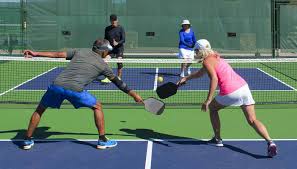
Pickleball is easy to learn—but hard to master. Many beginners improve quickly at first, then hit a frustrating plateau. The reason is rarely athletic ability. More often, it’s strategy mistakes beginners don’t realize they’re making.
This guide breaks down the most common pickleball strategy mistakes beginners make, explains why they happen, and shows you exactly how to fix them. Whether you’re brand new or stuck at the 3.0–3.5 level, these adjustments can dramatically improve your game.
1. Trying to Hit Winners Too Early
One of the most common pickleball mistakes beginners make is trying to end points too quickly. New players often believe power wins points, so they swing hard at balls that aren’t attackable.
Why this hurts your game
- Leads to pickleball unforced errors
- Balls fly long or into the net
- Opponents let you beat yourself
How to fix it
- Use power only on high balls above net height
- Focus on placement instead of speed
- Make your opponent hit one more ball
🔑 Beginner pickleball strategy tip: Consistency beats power at recreational levels.
2. Ignoring the Soft Game
Many beginners don’t understand the importance of the pickleball soft game—dinks, drops, and resets. Instead, they stay back and drive every shot.
Why this is a mistake
- Hard shots bounce high and get smashed back
- You can’t control rallies from the baseline
- Better players exploit this instantly
How to fix it
- Practice dinking crosscourt
- Learn to reset the ball softly into the kitchen
- Use drops to move forward safely
Mastering soft shots is one of the fastest ways to improve pickleball strategy.
3. Third Shot Drop Mistakes
The third shot drop is one of the most misunderstood shots in pickleball. Beginners either:
- Hit it too hard
- Aim too low
- Or avoid it altogether
Why it matters
If you can’t drop the third shot, you can’t reach the kitchen line—where most points are won.
How to fix third shot drop mistakes
- Aim higher over the net
- Hit with a relaxed, smooth swing
- Think “arc,” not “speed”
📌 A good third shot drop doesn’t have to be perfect—it just has to land in the kitchen.
4. Standing Too Far From the Kitchen Line
Many pickleball beginners hover several feet behind the non-volley zone, afraid of getting hit.
Why this is harmful
- You give opponents sharper angles
- You react slower to speed-ups
- You lose control of the point
How to fix pickleball kitchen mistakes
- Stand just behind the kitchen line
- Bend your knees and stay balanced
- Be ready to volley, not retreat
The kitchen line is your best friend, not your enemy.
5. Poor Doubles Positioning
Pickleball doubles positioning errors are extremely common at beginner levels. Players often:
- Stand too far apart
- Don’t cover the middle
- Watch their partner instead of moving together
Why this causes problems
- Open gaps are easy targets
- Miscommunication leads to missed shots
- Opponents aim between you
How to fix it
- Move side to side as a unit
- Both players protect the middle
- Call “mine” or “yours” early
Good teamwork wins more points than great shots.
6. Flat-Footed Play and Footwork Mistakes
Pickleball footwork mistakes limit reaction time and balance. Beginners often stand upright or reach instead of moving.
Why footwork matters
- Reaching causes pop-ups
- Poor balance leads to mishits
- Late movement means rushed shots
How to fix it
- Stay on the balls of your feet
- Bend your knees slightly
- Take small adjustment steps
Better footwork instantly improves consistency.
7. Serving Too Soft or Too Short
Pickleball serving mistakes don’t usually lose points directly—but they give opponents control.
Common beginner errors
- Serving short
- Serving with no depth
- Trying risky serves too early
How to fix it
- Aim deep to the back third of the court
- Prioritize consistency over power
- Use spin only after mastering depth
A good serve sets the tone for the rally.
8. Not Returning Serve Deep Enough
A shallow return allows the serving team to rush the kitchen line.
Why this matters
- You lose positioning advantage
- Opponents attack immediately
- You stay stuck on defense
How to fix it
- Hit returns high and deep
- Give yourself time to move forward
- Aim crosscourt for extra margin
Depth on returns is one of the simplest ways to improve pickleball strategy.
9. Speeding Up the Ball at the Wrong Time
Beginners often speed up balls that are too low or poorly positioned.
Why this backfires
- Low balls get hit into the net
- Opponents counterattack easily
- You lose patience in rallies
How to fix it
- Only speed up balls above net height
- Attack out-of-position opponents
- Be patient during dink rallies
Smart aggression beats reckless aggression.
10. Not Learning From Better Players
Many beginners repeat the same mistakes because they don’t observe stronger players.
How to fix it
- Watch advanced games
- Notice shot selection, not just winners
- Ask experienced players for feedback
Learning faster is often about watching smarter.
Final Thoughts: How to Improve Pickleball Strategy Faster
Every beginner makes strategy mistakes—that’s part of the game. What separates improving players from frustrated ones is awareness and adjustment.
Focus on:
- Reducing unforced errors
- Playing softer, smarter shots
- Moving as a team in doubles
- Controlling the kitchen line
If you fix just two or three of these common pickleball strategy mistakes beginners make, you’ll see immediate improvement.
