
Defense is one of the most overlooked skills in pickleball—especially for beginners. Many new players focus on power, serves, and winning shots, but strong defense is what actually keeps you in points and helps you improve faster.
If you’ve ever felt overwhelmed by hard hitters, fast volleys, or aggressive players at the net, this guide will help. These pickleball defensive strategies for beginners are simple, effective, and easy to apply right away.
Why Defense Matters in Pickleball
Pickleball is a game of patience and consistency. Most points are not won by winners—they’re lost by mistakes.
Good defense allows you to:
- Neutralize aggressive opponents
- Stay calm under pressure
- Force errors instead of going for risky shots
- Transition smoothly from defense to offense
At higher levels, defense is not passive—it’s controlled and intentional.
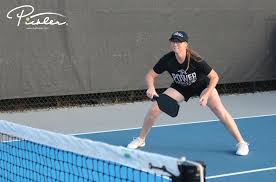
1. Start With the Proper Defensive Stance
Your defense begins before the ball is hit.
Pickleball Defensive Stance Basics
- Knees bent and weight on the balls of your feet
- Feet shoulder-width apart
- Paddle up at chest height
- Relaxed grip (not tight)
This ready position allows you to react quickly to fast drives, body shots, and volleys.
👉 Tip: If your paddle is down, you’re already late.
2. Use Blocking Instead of Swinging
One of the most important pickleball defense tips for beginners is learning how to block instead of swinging at hard shots.
What Is a Block?
A block is a short, compact volley that absorbs pace rather than adding power.
Pickleball Blocking Technique
- Keep a loose grip
- Minimal swing—just a small push
- Paddle face slightly open
- Let the ball rebound off the paddle
Blocking works best against:
- Hard drives
- Speed-ups at the kitchen
- Fast volleys at your body
Instead of trying to hit back hard, simply redirect the ball low.
3. Learn How to Defend Against Bangers
“Bangers” are players who rely on power and speed instead of patience. Many beginners struggle against them.
How to Defend Against Bangers in Pickleball
- Stay back half a step when needed
- Favor your backhand block
- Keep the ball low over the net
- Aim for the kitchen, not the baseline
The goal is not to win the point immediately—it’s to make them hit one more ball.
Power players often make mistakes when rallies extend.
4. Master the Reset Shot
A reset shot is one of the most valuable defensive tools in pickleball.
What Is a Reset Shot?
A soft shot used to slow the rally down and move the ball into the kitchen.
When to Use Reset Shots in Pickleball
- When pushed back from the net
- After blocking a hard drive
- When off balance or under pressure
How to Hit a Good Reset
- Soft grip
- Gentle upward motion
- Aim for the middle of the kitchen
- Focus on height and control
Resets turn defense into opportunity.
5. Defend the Kitchen Line Smartly
The kitchen line is where most points are decided—and where defense matters most.
Pickleball Kitchen Line Defense Tips
- Don’t stand too close to the line
- Expect speed-ups at any time
- Keep paddle centered
- Protect your body first
Many beginners lose points by reacting late to fast attacks at the kitchen.
Remember: block first, attack later.
6. Protect Yourself From Body Shots
Body shots are common in pickleball because they’re hard to defend.
Pickleball Body Shot Defense
- Keep paddle in front of your chest
- Use backhand blocks when possible
- Step back slightly if overwhelmed
- Avoid turning sideways
Blocking body shots instead of dodging them keeps you balanced and ready for the next ball.
7. Use Defensive Lobs Sparingly
Lobs are a defensive option—but only when used correctly.
When to Use a Defensive Lob
- You’re pushed far back
- Opponents crowd the net
- You need time to recover position
Lob Tips for Beginners
- Aim high, not hard
- Hit deep toward the baseline
- Avoid lobbing strong overhead players
A good lob resets the point. A bad lob ends it.
8. Communicate in Doubles Defense
In doubles, defense is a team effort.
Pickleball Doubles Defense Strategy
- Communicate who takes middle balls
- Move together as a unit
- Cover angles, not just lines
- Avoid leaving gaps
Most defensive breakdowns in doubles come from miscommunication, not lack of skill.
9. Stay Patient and Calm
Defense is as much mental as physical.
Defensive Mindset Tips
- Accept longer rallies
- Don’t rush winning shots
- Trust high-percentage plays
- Stay relaxed under pressure
Aggressive opponents often self-destruct when you refuse to panic.
10. Simple Defensive Pickleball Drills for Beginners
Practice makes defense automatic.
Easy Defensive Drills
- Wall blocking drill: Practice soft blocks against a wall
- Reset practice: Drop balls into the kitchen from mid-court
- Partner drive and block drill
- Reaction volleys at the kitchen
Even 10 minutes per session builds confidence fast.
How Defense Turns Into Offense
Great defense creates offensive chances.
Once you:
- Slow the rally
- Get back to the kitchen
- Force a weak shot
You can transition from defense to offense naturally—without forcing it.
Common Beginner Defensive Mistakes
Avoid these:
- Swinging at every hard ball
- Gripping the paddle too tight
- Standing too upright
- Trying to hit winners from bad positions
Defense rewards patience and control, not power.
Final Thoughts
Learning pickleball defensive strategies for beginners will instantly improve your game. You don’t need faster reflexes or more power—just better positioning, softer hands, and smarter decisions.
Defense keeps you in the point.
Patience wins games.
Consistency builds confidence.
Master defense first, and offense will follow.
