
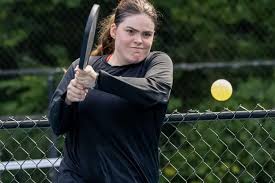
Reaction time is one of the most important — and misunderstood — skills in pickleball. Many beginners believe fast reactions come only from youth or athletic talent, but the truth is that reaction time is trainable, even from home and at any age.
In this guide, you’ll learn how to improve reaction time in pickleball at home using simple, proven drills that don’t require a court, partner, or expensive equipment. These techniques are perfect for beginners and recreational players who want faster hands, better anticipation, and more confidence at the kitchen line.
What Reaction Time Really Means in Pickleball
Reaction time in pickleball is not just about reflexes. It’s a combination of:
- Visual recognition (seeing the ball early)
- Anticipation (reading your opponent)
- Hand speed (short, efficient swings)
- Foot readiness (balanced stance)
Good reaction time allows you to:
- Handle speed-ups at the kitchen
- Block hard drives
- Win hand battles
- Stay calm under pressure
The good news? All of these can be improved without playing full games.
Why Training at Home Actually Works
Practicing at home removes distractions and lets you focus on repetition. Many professional players use solo pickleball drills at home to sharpen fast hands and eye-hand coordination.
Benefits of home training:
- Short daily sessions (10–15 minutes)
- Less joint stress
- High repetition
- Faster improvement for beginners
1. Start With the Proper Ready Position
Before drills, fix your foundation.
The ideal ready position:
- Feet shoulder-width apart
- Knees slightly bent
- Weight on the balls of your feet
- Paddle held out in front, chest height
This stance allows quicker movement and better balance, which directly improves reaction time.
👉 Most beginners react slowly because they start from a poor position, not because they lack speed.
2. Wall Drills for Pickleball Reaction Time
Wall drills for pickleball are one of the most effective ways to build fast hands.
Basic Wall Volley Drill
- Stand 5–7 feet from a wall
- Volley the ball continuously using short swings
- Keep the paddle in front
- Focus on control, not power
Start with forehands only, then backhands, then alternate.
Progression:
- Increase speed gradually
- Stand closer to the wall
- Use a smaller target area
This drill improves:
- Hand speed
- Paddle control
- Visual tracking
3. Paddle Toss & Catch Drill (Beginner Favorite)
This simple drill improves pickleball hand speed training and coordination.
How to do it:
- Toss the ball lightly upward
- Catch it with your paddle face
- Alternate forehand and backhand catches
Why it works:
- Trains soft hands
- Improves paddle awareness
- Builds confidence for quick exchanges
4. Reaction Ball or Tennis Ball Drop Drill
If you have a reaction ball, great — but a tennis ball works too.
Drill:
- Drop the ball from shoulder height
- Let it bounce once
- Catch it before the second bounce
Advanced version:
- Drop with one hand, catch with the opposite
- Vary drop height
This improves:
- Reflex speed
- Eye-hand coordination
- Split-second decision making
5. Shadow Volleys for Fast Hands
Shadow training is underrated and excellent for beginners.
How it works:
- Stand in ready position
- Simulate quick volley movements
- Keep swings short and compact
Focus on:
- Minimal backswing
- Quick recovery to ready position
This directly translates to pickleball fast hands drills at the kitchen line.
6. Kitchen Line Reaction Drills (At Home Version)
Even without a court, you can simulate kitchen line reaction drills.
Drill:
- Stand 6–8 feet from a wall
- Hit quick, soft volleys
- Focus on blocking, not swinging
Imagine defending against speed-ups. The goal is control, not winners.
7. Improve Pickleball Reflexes Through Anticipation
Reaction time improves dramatically when anticipation improves.
Practice this skill by:
- Watching opponent paddle angles in videos
- Predicting shot direction before contact
- Not staring only at the ball
Anticipation buys you extra milliseconds — often more valuable than raw speed.
8. Footwork Matters More Than You Think
Quick hands don’t work without stable feet.
Simple footwork drill:
- Start in ready position
- Take small side steps
- Return to center after each movement
Avoid crossing your feet. Efficient footwork keeps you balanced and ready.
9. Beginner-Friendly Daily Routine (10–15 Minutes)
Here’s a simple routine using reaction time drills for pickleball beginners:
Day Routine:
- 3 min wall volleys
- 2 min paddle toss & catch
- 3 min reaction ball drops
- 3 min shadow volleys
- 2 min footwork movements
Consistency beats intensity.
10. Common Mistakes Slowing Reaction Time
Avoid these beginner errors:
❌ Big backswings
❌ Standing flat-footed
❌ Holding paddle too low
❌ Tensing shoulders and grip
❌ Overhitting instead of blocking
Relaxed muscles react faster.
How Long Until You See Results?
Most beginners notice improvement in:
- 1–2 weeks: better control
- 3–4 weeks: faster reactions
- 6 weeks: confidence during speed-ups
Age does not limit progress — consistency does.
Final Thoughts
Improving reaction time in pickleball doesn’t require elite athleticism or hours on court. With the right pickleball reaction time drills, a solid ready position, and daily short practice, beginners can develop fast hands and better anticipation right from home.
If you commit just 10 minutes a day, you’ll react faster, block better, and feel more confident every time you step onto the court.
