
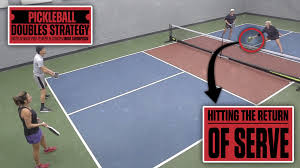
For many beginners, the return of serve feels like the hardest shot in the game. The ball comes fast, the pressure is high, and mistakes happen before the rally even begins. The good news? You don’t need perfect timing or powerful swings to return serves effectively.
By learning return of serve strategies for beginners, you can neutralize your opponent’s advantage, stay in rallies longer, and immediately improve your match results.
This guide breaks everything down step by step—using simple language, practical tips, and easy drills—so you can return serves with confidence.
Why the Return of Serve Matters
The serve is the only shot your opponent controls completely. If you struggle to return it, you’re always playing defense. But when you learn how to return a serve consistently, you take back control of the point.
At beginner and recreational levels:
- Most points are lost on return errors
- Servers are rarely unbreakable
- Consistency beats aggression
Your goal isn’t to hit winners—it’s to start the rally.
The Beginner’s Mindset: Consistency First
One of the biggest return of serve mistakes beginners make is trying to do too much.
Instead, remember this rule:
A good return is one that comes back deep and in play.
You don’t need pace. You don’t need angles. You need margin and control.
Ready Position: The Foundation of Every Return
Before worrying about technique, fix your ready position.
Proper Ready Position
- Knees bent
- Weight on the balls of your feet
- Racket in front of your body
- Relaxed grip
As the server hits the ball, perform a split step—a small hop that allows you to move quickly in any direction.
This is the most overlooked part of tennis return of serve basics.
Where to Stand When Returning Serve
Where to stand when returning serve depends on the speed and consistency of the server.
Beginner Rule of Thumb
- Stand 1–2 feet behind the baseline
- Adjust after seeing a few serves
If the serve feels too fast:
- Step back slightly for more reaction time
If the serve is slow or high:
- Step forward and take it early
Small adjustments make a big difference.
Reading the Serve (Simple Cues)
Beginners don’t need advanced serve reading. Focus on these basics:
- Watch the toss
- Track the contact point
- Keep your head still
The earlier you recognize direction, the easier your return becomes.
Return of Serve Footwork (Keep It Simple)
Good return of serve footwork doesn’t mean fast—it means efficient.
Key Footwork Tips
- Move forward, not backward
- Step with your outside foot first
- Stay low through contact
Avoid reaching with your arm. Let your legs do the work.
Compact Swings: Less Is More
Big swings cause most return errors.
Beginner-Friendly Swing Rules
- Short backswing
- Smooth acceleration
- Finish toward the target
Against fast serves, think “block” not “swing.”
This approach is essential when learning how to return fast serves without panic.
First Serve vs Second Serve Strategy
Understanding serve types is a game-changer.
Returning Fast First Serves
- Prioritize control
- Aim deep and middle
- Use a compact swing
This neutralizes pace and prevents easy third-ball attacks.
Second Serve Return Strategy
Second serves are your opportunity.
- Step inside the baseline
- Aim higher over the net
- Target the backhand or middle
You don’t need to crush the ball—just apply pressure.
Placement: Where Should Beginners Aim?
Smart placement makes returns easier.
High-Percentage Targets
- Deep down the middle (best beginner option)
- Crosscourt with margin
- Opponent’s weaker side
Avoid the sidelines until consistency improves.
Common Return of Serve Mistakes Beginners Make
Let’s fix the most common issues:
❌ Swinging too hard
❌ Standing flat-footed
❌ Aiming for lines
❌ Panicking under pressure
❌ Backing up instead of stepping forward
Replacing these habits with calm, controlled returns will instantly raise your level.
Pickleball Return of Serve Strategy (Beginner Notes)
In pickleball, the return of serve strategy is slightly different but still beginner-friendly.
Key goals:
- Hit the return deep
- Give yourself time to reach the kitchen
- Avoid attacking too early
A deep return forces weaker third shots and helps you take control of the net.
Simple Return of Serve Drills for Beginners
Practice doesn’t need a server.
Drill 1: Drop Feed Returns
- Partner drops the ball
- Focus on footwork and contact
- Aim deep middle
Drill 2: Serve + Block
- Partner serves at 70% speed
- You block the return back
- Emphasize consistency
Drill 3: Target Practice
- Place cones deep in the court
- Hit controlled returns toward targets
These return of serve drills for beginners build confidence fast.
Match-Day Return Strategy
Before each match:
- Decide to play safe first
- Watch the server carefully
- Adjust position early
During the match:
- Track what works
- Attack only reliable second serves
- Stay patient
Confidence grows when your return plan is simple.
Final Thoughts: Your Return Is a Weapon in Disguise
You don’t need flashy shots to be effective. By mastering return of serve strategies for beginners, you:
- Reduce unforced errors
- Extend rallies
- Put pressure on opponents
- Win more games without extra risk
Focus on consistency, smart positioning, and calm execution. Over time, your return will go from a weakness to a strength.
