
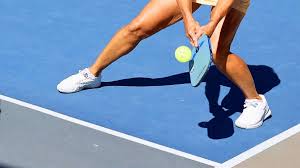
If you’re just starting pickleball and want to improve your movement on the court, mastering your footwork is one of the best ways to improve quickly. Good footwork helps you reach more shots, stay balanced, hit with control, and react faster during rallies. This beginner‑friendly guide breaks down essential pickleball footwork drills for beginners, simple movement exercises, and practical tips you can start using today.
Why Footwork Matters for New Players
Footwork isn’t just about speed — it’s about efficiency and balance. Great footwork helps you get into the right position so your swing mechanics work properly and you hit consistent shots. It also reduces awkward reaches and late reactions that lead to unforced errors. (Pickleballgoats)
Basic Footwork Principles Every Beginner Should Know
Before diving into drills, learn these core pickleball footwork techniques:
1. Ready Position
Stand with knees slightly bent, weight on the balls of your feet, and your paddle up and in front. This stance allows quick bursts in any direction.
2. Stay Light on Your Feet
Avoid standing flat‑footed — keep a small bend and be ready to move. This helps you react faster to shots. (GetSetPickleball)
3. The Split Step
A small hop just as your opponent hits the ball prepares your muscles to explode left, right, or backward. This is one of the most effective footwork tips for new players. (GetSetPickleball)
Top Pickleball Footwork Drills for Beginners
Here’s a step‑by‑step breakdown of simple yet effective beginner pickleball footwork drills that don’t require advanced skills or equipment.
1. Lateral Shuffle Drill
Focus: Side‑to‑side movement
How to Do It:
- Place two cones or markers about 5–8 feet apart.
- Start in the ready position and shuffle laterally between them, staying low and keeping feet quick.
- Avoid crossing your feet.
Why It Helps: This drill builds basic lateral movement skills crucial for covering shots from sideline to sideline on the court. (PB5star)
Supporting Keywords: basic lateral shuffle drills, quick foot movement exercises
2. Agility Ladder Drills
Focus: Foot speed and coordination
How to Do It:
- Lay an agility ladder on flat ground.
- Try patterns like in‑and‑out steps, lateral shuffles, and one‑foot hops.
- Keep movements smooth and controlled.
Why It Helps: Agility ladder drills improve quick foot movement and balance appropriate for pickleball’s quick exchanges. (Pickleball for Beginners)
Supporting Keywords: agility ladder drills for pickleball
3. Split Step Drill
Focus: Reaction timing
How to Do It:
- Stand in the ready position at the kitchen line.
- Have a partner or imagine an incoming shot and perform a small hop just before contact.
- Land balanced and ready to move in any direction.
Why It Helps: Practicing the split step ensures you are always ready to react quickly to your opponent’s shot. (GetSetPickleball)
Supporting Keywords: split step pickleball drill
4. Cone Drill for Direction Changes
Focus: Change‑of‑direction movement
How to Do It:
- Set up three to five cones in an L‑shape or zigzag pattern.
- Shuffle sideways, sprint forward to the next cone, then backpedal to start.
- This simulates unpredictable on‑court movement.
Why It Helps: Cone drills train your feet to adjust directions quickly and efficiently — an essential skill in real games. (PB5star)
Supporting Keywords: cone drill pickleball beginner
5. Shadow Footwork Drill
Focus: Movement memory
How to Do It:
- Without a ball, mimic game movements by visualizing shots to different directions.
- Practice moving into position as though reacting to an opponent.
- Include lateral shuffles and forward/backward steps.
Why It Helps: Shadow drills build movement patterns that become instinctive during real play. (Pickleball Toolbox)
Supporting Keywords: simple pickleball movement exercises
Footwork Tips That Beginners Often Miss
Even with drills, technique matters. Here are footwork tips new players should focus on:
Stay Low and Balanced
Keeping knees bent and body low improves stability and quick reactions.
Small Steps Are Better Than Big Leaps
Quick, short steps help you stay balanced and ready for the next shot. Overstriding can slow you down. (Pickleball for Beginners)
Practice Consistently
Short, focused sessions (10–15 minutes, several times a week) are more effective than long, irregular ones for building muscle memory. (Pickleballgoats)
Putting It All Together: A Sample Drill Warm‑Up Routine
Use this beginner routine before matches or practice:
- 2 minutes of split‑step practice
- 3 minutes of lateral shuffle between cones
- 3 minutes of agility ladder footwork
- 2 minutes of shadow movement drills
- Cool down with easy dinks while moving side‑to‑side
This quick routine reinforces footwork basics while warming up your muscles.
Conclusion
Mastering pickleball footwork drills for beginners gives you a foundational advantage on the court. With regular practice of lateral shuffles, split steps, agility ladder patterns, cone drills, and shadow footwork, you’ll improve your balance, speed, and reaction time — all critical for better performance and confidence in gameplay.
Remember, good footwork isn’t about being the fastest — it’s about being the most prepared. Practice these drills consistently, focus on technique, and watch your pickleball movement improve week by week. (Pickleballgoats)
