
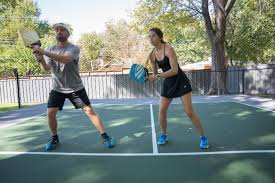
If you’re struggling to keep the ball low at the kitchen line or finding that your dinks pop up and get attacked, you’re not alone. Dinking is one of the hardest skills in pickleball—but also one of the most important. The good news is that with the right pickleball dinking drills for consistency, you can dramatically improve your control, confidence, and soft game.
This beginner-friendly guide breaks down simple, proven pickleball dink practice drills you can do with a partner or on your own. Whether you’re new to pickleball or trying to move beyond recreational play, these drills will help you develop a reliable, repeatable dink.
Why Dinking Consistency Matters in Pickleball
Dinking isn’t about power—it’s about patience, touch, and precision. At the non-volley zone (often called the kitchen), consistent dinks allow you to:
- Control the pace of the rally
- Force opponents to hit up on the ball
- Create openings for put-aways
- Reduce unforced errors
Many beginners lose points not because they lack athleticism, but because they rush the dink or hit too aggressively. That’s why pickleball soft game drills are essential early in your development.
Key Fundamentals Before You Start Dinking Drills
Before jumping into drills, focus on these basic fundamentals. They apply to all pickleball dinking drills for beginners.
1. Grip Pressure
Hold the paddle lightly—about a 4 out of 10. Tight grips reduce feel and cause pop-ups.
2. Contact Point
Make contact in front of your body, not beside or behind you.
3. Paddle Path
Use a smooth, low-to-high motion. Avoid chopping or flicking the wrist.
4. Legs Over Arms
Bend your knees and use your legs to lift the ball gently over the net.
Mastering these basics will make every drill more effective.
Partner Pickleball Dinking Drills for Consistency
Practicing with a partner is the fastest way to improve. These partner dinking drills in pickleball emphasize control and repetition.
1. Straight-Ahead Dink Rally (Beginner Essential)
How to do it:
- Both players stand at the kitchen line
- Dink straight ahead only
- Keep the ball low and unattackable
Goal:
Maintain a rally of 20–30 shots without errors.
Why it works:
This drill builds rhythm, touch, and confidence. It’s one of the most effective pickleball kitchen line drills for beginners.
2. Cross-Court Dinking Drill
How to do it:
- Stand diagonally across from your partner
- Dink cross-court only
- Aim for the opponent’s back kitchen corner
Focus points:
- Net clearance
- Depth inside the kitchen
- Balanced footwork
This drill teaches margin and control, helping players learn how to improve dinking consistency in pickleball under realistic conditions.
3. Figure-8 Dinking Drill
How to do it:
- One player dinks straight
- The other dinks cross-court
- Alternate sides in a figure-8 pattern
Benefits:
- Improves accuracy
- Builds forehand and backhand touch
- Enhances court awareness
This is an excellent progression drill once basic dinks feel comfortable.
4. Dink-to-Drop Progression Drill
This drill bridges the gap between dinking and full rallies.
How to do it:
- Start at the kitchen line and dink for 5 shots
- Both players move back to mid-court
- Hit soft third-shot drops
- Move forward again to dink
It combines pickleball third shot drop drills with soft game control, making it ideal for match preparation.
Solo Pickleball Dinking Drills (No Partner Needed)
If you don’t always have a drilling partner, don’t worry. These solo pickleball dinking drills are highly effective.
5. Wall Dinking Drill
How to do it:
- Stand 7–10 feet from a wall
- Gently dink the ball into the wall
- Let it bounce once before hitting again
Goal:
Keep the rally going for 50+ controlled hits.
This drill improves paddle control, timing, and consistency.
6. Bucket Drop Drill
How to do it:
- Stand at the baseline with a bucket of balls
- Drop the ball near your front foot
- Softly lift it into the imaginary kitchen
Focus:
- Smooth motion
- No backswing
- High margin over the net
This is one of the best beginner pickleball drills for consistency because it isolates the motion without pressure.
7. Target Dinking Drill
Place cones, towels, or tape targets in the kitchen area.
Goal:
- Hit 10 controlled dinks into each target zone
- Focus on depth rather than speed
Target practice reinforces accuracy and intentional placement.
Common Dinking Mistakes (And How to Fix Them)
Avoid these mistakes if you want better consistency:
❌ Too Much Swing
Fix: Shorten your backswing and slow down.
❌ Standing Too Tall
Fix: Bend your knees and stay athletic.
❌ Trying to Win the Dink Rally
Fix: Focus on consistency first, not winners.
Developing patience is key to mastering pickleball dink control tips.
15-Minute Dinking Practice Routine (Beginner Friendly)
Here’s a simple routine using the drills above:
- 5 minutes: Straight-ahead dink rally
- 5 minutes: Cross-court dinks
- 3 minutes: Wall or solo bucket drill
- 2 minutes: Target dinking
Practicing just 15 minutes, 3–4 times per week, can rapidly improve your soft game.
How Long Does It Take to Improve Dinking Consistency?
Most beginners notice improvement within 2–4 weeks of consistent drilling. The key is repetition and focus—not power.
If you track progress by rally length instead of winning points, you’ll improve faster and with less frustration.
Final Thoughts on Pickleball Dinking Drills for Consistency
Dinking is the foundation of winning pickleball, especially as you face stronger opponents. By committing to these pickleball dinking drills for consistency, you’ll build a reliable soft game that holds up under pressure.
Start slow, stay patient, and prioritize control over aggression. With consistent practice, your dinks will become lower, softer, and far more effective.
✅ Quick Recap
- Focus keyword: pickleball dinking drills for consistency
- Use partner and solo drills
- Prioritize touch, patience, and repetition
- Practice a little, often
