
If you are new to pickleball, chances are you’ve heard the word “fault” called during a game and wondered what just happened. You’re not alone. Pickleball faults and violations confuse many beginners, especially during fast rallies or serves.
This beginner-friendly guide explains pickleball faults and violations in simple language. You’ll learn what a fault is, the most common mistakes beginners make, and how to avoid losing points or serves.
By the end, you’ll feel more confident stepping onto the court.
What Is a Fault in Pickleball?
A fault in pickleball is any rule violation that stops play. When a fault happens, the rally ends immediately.
What happens next depends on who committed the fault:
- Serving team fault → loss of serve
- Receiving team fault → serving team scores a point
There are no “warnings” for faults. Once it happens, play stops.
Understanding common pickleball faults helps beginners improve faster and avoid unnecessary mistakes.
Common Pickleball Faults Beginners Make
Most pickleball rule violations happen because beginners are still learning court positioning and rules. Here are the most common ones.
1. Serving Faults in Pickleball
Serving faults are extremely common for new players.
Common serving faults include:
- Serving into the wrong service box
- Hitting the serve above the waist
- Using an overhand serve
- Feet touching or crossing the baseline
- Serve landing out of bounds
- Serve landing in the non-volley zone (kitchen)
The serve must be underhand, with the paddle contacting the ball below the waist, and both feet behind the baseline.
2. Two-Bounce Rule Fault
The two-bounce rule is unique to pickleball and confuses many beginners.
The rule:
- The serve must bounce once before the receiver hits it
- The return must bounce once before the serving team hits it
If either team volleys too early, it’s a two-bounce rule fault.
This rule exists to reduce aggressive net rushing and keep rallies fair.
3. Kitchen (Non-Volley Zone) Violations
The kitchen, also called the non-volley zone (NVZ), causes more faults than any other rule.
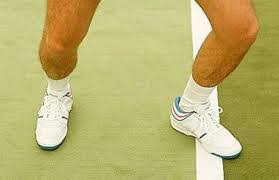
Kitchen foot fault pickleball violations happen when:
- You volley the ball while standing inside the kitchen
- Your foot touches the kitchen line during a volley
- Your momentum carries you into the kitchen after a volley
You may enter the kitchen, but you cannot volley from inside it.
4. Momentum Fault Explained
A momentum fault occurs when:
- You hit a volley outside the kitchen
- Your body or foot falls into the kitchen afterward
Even if the ball is already gone, it still counts as a non-volley zone violation.
Beginners often forget that balance matters just as much as foot placement.
5. Pickleball Out of Bounds Rules
Hitting the ball outside the court lines is a fault.
Important beginner tip:
- The baseline and sidelines are in
- The kitchen line is out on serves
- If the ball lands even slightly outside the line, it’s out
Calling balls out accurately improves with experience.
6. Net and Equipment Contact Faults
You commit a fault if:
- Your paddle touches the net
- Your body touches the net or net post
- Anything you wear touches the net during play
Even accidental contact counts as a fault.
7. Double Hit or Carry Violations
A double hit or carry happens when:
- The ball is hit twice on one swing
- The ball is caught, lifted, or thrown instead of struck
However, a single continuous swing that contacts the ball twice accidentally is usually legal.
Beginners often worry about this, but true carries are rare.
8. Hitting the Ball Before It Crosses the Net
You may not hit the ball until it has completely crossed the net to your side.
Reaching over the net to strike the ball early is a pickleball rule violation, even if the opponent hits it softly.
9. Pickleball Faults in Doubles Play
Doubles pickleball adds extra confusion for beginners.
Common doubles faults include:
- Serving from the wrong side
- Wrong player serving
- Forgetting server numbers
- Stepping out of position during the serve
Communication with your partner helps reduce unnecessary faults.
What Happens After a Fault in Pickleball?
Many beginners ask: What happens after a fault in pickleball?
Here’s the simple breakdown:
Serving team fault:
- Loss of serve
- In doubles, the serve moves to the partner
- After both players fault, it’s a side out
Receiving team fault:
- Serving team scores one point
Pickleball uses rally-ending scoring, not penalties.
Difference Between Faults and Dead Balls
A fault stops play due to a rule violation.
A dead ball stops play for other reasons, such as:
- Ball cracking
- Interference
- Player injury
Not all dead balls are faults, but all faults result in a dead ball.
How to Avoid Common Pickleball Beginner Mistakes
Here are practical tips to reduce faults:
- Slow down your serve
- Watch your feet near the kitchen
- Let the ball bounce early in rallies
- Communicate with your partner
- Focus on balance, not power
Reducing errors wins more games than hitting harder shots.
Why Learning Pickleball Faults Improves Your Game Faster
Understanding pickleball faults and violations explained for beginners gives you a major advantage. Instead of guessing, you play confidently.
Most beginner games are decided by mistakes, not winners.
The fewer faults you commit, the more rallies you win.
Final Thoughts
Pickleball is easy to learn, but the rules take time to master. Faults are part of the learning process, especially for beginners.
By understanding common pickleball faults, serving violations, kitchen foot faults, and doubles mistakes, you’ll improve faster and enjoy the game more.
Stick with it. Every advanced player once made the same beginner mistakes you’re making today.
