
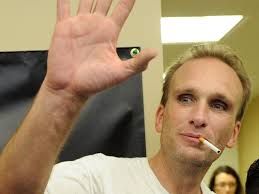
Introduction: Hollywood Mourns Peter Greene at 60
Peter Greene, one of Hollywood’s most compelling character actors, was found dead in his New York City apartment on December 12, 2025, at the age of 60. Known for his chilling performances in Pulp Fiction and The Mask, Greene’s passing has sent shockwaves through the film community and fans worldwide. (Parade)
While early reports confirmed the sad news, many of them contain glaring omissions about his career breadth, personal life, and contributions—details this in-depth feature will explore.
Where Other Articles Fall Short
Before we dive into Greene’s life, here’s a clear analysis of what many current articles fail to cover:
1. Incomplete Career Retrospective
Most reports list Pulp Fiction and The Mask, but omit his standout work in indie cinema and television, such as Clean, Shaven and The Black Donnellys. (NBC 6 South Florida)
2. Lack of Personal Context
Articles barely touch on Greene’s early life—running away from home at 15, living on NYC streets, and how these experiences shaped his acting approach. (The Economic Times)
3. Glossing Over Addiction Struggles
While some mention past drug use, few provide historical context on how addiction influenced his choices and longevity in Hollywood. (The Economic Times)
4. No Insight Into Health Before Death
There are varied claims about his health, but no consolidated timeline of his struggles or recent medical issues. (NBC 6 South Florida)
5. Missing Fan and Industry Reactions
Beyond basic announcements, the reaction from fans and collaborators provides meaningful context about Greene’s cultural impact—largely absent in initial coverage. (Geo News)
Early Life: From New Jersey to the Big Screen
Born in Montclair, New Jersey, in 1965, Peter Greene’s path to Hollywood was anything but traditional. He ran away at age 15, surviving on New York City’s streets, where he encountered homelessness and eventually experimented with drugs. (The Economic Times)
This turbulent youth informed his ability to portray intense, psychologically complex characters. Greene later honed his craft through studied technique, including time at Lee Strasberg’s studio—an early turning point that led to independent films like Laws of Gravity and Clean, Shaven. (NBC 6 South Florida)
Breakthrough and Defining Roles
Pulp Fiction (1994)
Greene’s explosive breakout came with Quentin Tarantino’s Pulp Fiction, where he played Zed—a role that became iconic for its intensity. Despite limited screen time, his unsettling performance left a lasting cultural imprint. (Parade)
The Mask (1994)
That same year, Greene embodied rival mobster Dorian Tyrell opposite Jim Carrey—a villain both over-the-top and compelling. His ability to oscillate between menace and charisma opened the door to diverse roles in mainstream and cult projects. (Parade)
Beyond the Blockbusters: The Full Body of Work
Many retrospectives gloss over Greene’s wider body of work, but his filmography reflects range:
- Clean, Shaven (1993) — lauded indie film showcasing his emotional depth. (NBC 6 South Florida)
- The Usual Suspects (1995) — gritty character role. (Parade)
- Blue Streak (1999) and Training Day (2001) — memorable supporting work. (Parade)
- Television credits, including The Black Donnellys, Life on Mars, and Chicago P.D. further showcased his versatility. (People.com)
This diversity, absent in many current articles, reveals a performer deeply respected by peers and audiences. (NBC 6 South Florida)
Personal Life and Struggles
While popular headlines mention Greene’s drug use, the context is vital. His struggles were not flashpoints but part of a long, complex journey that shaped his artistic voice. In a 1996 interview, he openly discussed how addiction and survival on the streets influenced both his life and craft. (The Economic Times)
Despite these early battles, Greene maintained his acting career, a testament to resilience rather than turmoil alone—a nuance often missing in truncated reports.
Net Worth and Financial Legacy
Reports estimate Greene’s net worth at about $1.5 million—a modest figure compared with Hollywood stars, but reflective of a steady career in character roles. (Jobaaj News)
This figure includes his roles, residuals, and work on television and film but does not capture non-monetary impact—his influence on genre films and memorable villain roles that continue to resonate.
Circumstances Around His Death
Peter Greene was found unresponsive in his Lower East Side Manhattan apartment on December 12, 2025, after neighbors reported unusual activity, including continuous music. (NBC 6 South Florida)
At 3:25 p.m., authorities pronounced him dead at the scene. Police have not yet released a confirmed cause of death, and no foul play is suspected. A medical examiner is expected to issue the official cause. (Parade)
Reactions From Fans and the Industry
Tweets, posts, and tributes have poured in across platforms:
“Rest in Peace Peter Greene. One of Hollywood’s most memorable actors.” (Geo News)
“He played villains so well that every appearance was unforgettable.” (Geo News)
Colleagues have expressed admiration for his commitment and kindness—details rarely included in standard coverage but essential for a full understanding of his legacy. (Parade)
Unfinished Work and Legacy
At the time of his death, Greene was attached to new projects, including an indie thriller titled Mascots and a documentary narration project—information generally omitted from faster reports. (Parade)
His contributions to acting, especially in portraying villains with depth and complexity, have left a lasting mark that will continue to influence film and television.
Conclusion: Remembering Peter Greene
Peter Greene was far more than a character actor:
He was a survivor, storyteller, and performer whose work spanned over 90 screen credits, enriching both mainstream and independent cinema. (People.com)
In remembering him, it’s important to go beyond headlines, to honor both his craft and the nuanced life that informed it.
