
📌 Introduction
Shoppers across the UK have been urged to stop using a popular Christmas-themed mug sold by discount retailer B&M after it was found to pose a serious scald and burn risk. Official notices have now confirmed that the base may crack or shatter when filled with hot liquids, potentially causing hot tea or coffee to spill and burn users. (London Borough of Bromley)
However, many of the initial news reports failed to fully explain the recall details, safety implications, and broader context. In this article, we break down what happened — and what you really need to know.
🔍 What Happened: The B&M Christmas Mug Recall Explained
✔ The Product Affected
The UK Office for Product Safety and Standards (OPSS) officially issued a recall for the B&M Cream & Green Mug (product code 424919) after tests showed it fails to meet the General Product Safety Regulations 2005. (London Borough of Bromley)
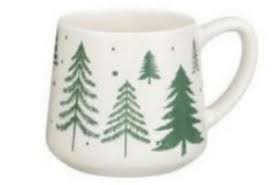
- Appearance: Cream mug with a green fir-tree print
- Risk: Base may crack or break with hot liquid
- Sales period: Sold from 23 August – 14 November 2025
- Action: Stop using immediately and return for a refund. (BM Stores)
🛑 What the Retailer Is Advising
B&M has advised customers who bought the mug to:
- Stop using the product immediately
- Keep the packaging
- Return it to any B&M store
- Receive a full refund
Customers can also contact B&M customer services for questions. (BM Stores)
🚨 Why This Recall Matters (And Why Some Coverage Missed the Full Picture)
The initial news articles did highlight the basic recall alert — but they lacked key details that matter to consumers, such as:
❌ 1. No Clear Identification of the Product Code and Dates
Many reports simply describe the mug visually (cream with a fir-tree print) without providing the product code (424919) or precise sale dates. This makes it harder for shoppers to confirm whether their item is affected. (London Borough of Bromley)
❌ 2. Limited Explanation of the Safety Risk
Some stories quote general “health risk” language but don’t explain that the base cracking when full of hot liquid could cause scalds and burns. That’s the specific hazard, and it’s critical for readers to understand the real danger. (BM Stores)
❌ 3. No Advice on What to Do Next
A few articles stopped after reporting the recall alert — without offering useful information like how to return the mug or what to expect at the store. (The Sun)
❌ 4. No Broader Context on Product Safety
The recalls were presented as isolated incidents, despite several similar mug and drinkware recalls in the UK that highlight a recurring safety issue (see below). (The Standard)
📌 How to Identify Affected Mugs
Before you handle the product again, make sure you check:
✅ Design: Cream colour with a printed green fir tree
✅ Product Code: 424919
✅ Approximate Sale Period: End of August to mid-November 2025
✅ Check Base for Cracks: If already cracked, do not use at all.
If those match, the safest course is to return the mug to B&M for a full refund — with or without the original receipt. (London Borough of Bromley)
🧠 How Serious Is the Risk? What Experts Say
The primary danger is burn injuries from hot liquid spilling if the mug’s base fails. Even minor fissures not visible to the naked eye can weaken the structure under heat. While no widespread injury numbers have been published yet, similar product failures (like other mug recalls abroad) have resulted in burn complaints and injuries. (WRAL News)
This is why the OPSS does not consider the product safe for continued use under UK safety laws. (London Borough of Bromley)
📊 Recall vs. Withdrawal — What’s the Difference?
Some news stories use “recall” and “withdrawal” interchangeably — but they are distinct:
- Recall: The item has reached consumers and poses a risk → action required from customers.
- Withdrawal: The product is pulled from shelves before sale due to a problem.
In this case, the B&M mug was already sold, so it’s a recall — with clear steps for consumers to take. (BM Stores)
📌 Similar Mugs and Drinkware Recalls You Should Know About
This isn’t the only drinkware recall recently:
🟡 Boots Christmas Mug Gift Set
A cosy mug sold with socks was recalled because the base could crack, potentially causing burn injuries. (The Standard)
🟡 Earlier B&M Mugs
B&M previously recalled other mugs (e.g., Harvest Print glass mugs) because the base could break under hot water. (BM Stores)
These recurring issues suggest consumers should be particularly cautious with budget drinkware bought from discount retailers — especially if not clearly marked as microwave or heat safe.
🛡️ Why Product Safety Laws Exist
In the UK, products like mugs – even simple household items – must meet the General Product Safety Regulations 2005. That means they need to be safe for normal use, without posing unreasonable risk. (London Borough of Bromley)
When a product fails these standards, retailers and manufacturers are required to either correct the issue or remove the product from consumer use — as B&M has done in this case.
🧰 Tips for Future Shopping Safety
To avoid dangerous products in the future:
✔ Check for Product Recalls
Search OPSS recall lists or visit the retailer’s official recall page periodically.
✔ Inspect Labels
Look for Microwave Safe and Heat Resistance labels before buying mugs or drinkware.
✔ Read Reviews Carefully
Sometimes customers post early warnings about products that feel cheap or crack easily.
✔ Don’t Ignore Cracks
Even hairline cracks — especially in ceramic drinkware — can indicate danger when filled with hot liquid.
✔ Keep Packaging
If something does get recalled later, having packaging makes returns easier.
⚠️ What to Do If You’ve Been Injured
If someone has been burned due to the defective product:
- Seek medical attention immediately
- Document the injury and product details
- Report the incident to OPSS or your local Trading Standards office
- Contact B&M customer service, supplying photos and receipts if possible
In some cases, consumers may be eligible for compensation if a product caused harm.
🏁 Final Thoughts
The B&M Christmas mug recall is more than a seasonal warning — it highlights how everyday products can fail safety standards, even when sold by reputable retailers. The original reporting gave shoppers a heads-up, but lacked the specifics that help you take action.
By understanding exactly what products are affected, why the risks matter, and what steps to take next, you can protect yourself and your family from preventable injuries.
Remember: If a household item feels unsafe — stop using it and find out whether there’s a recall. Product safety laws are there to protect you, but only if you use them. (London Borough of Bromley)
