
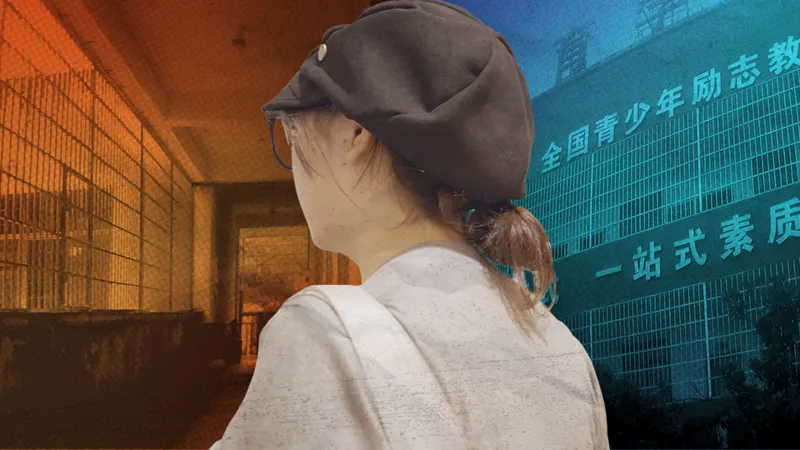
For thousands of Chinese families, adolescence has become a crisis point. Academic pressure is relentless, societal expectations suffocating, and support systems overloaded. In this environment, disciplinary schools—also known as “education correction centres,” “behavior modification camps,” and “teen re-education schools”—position themselves as saviors promising to “rebuild discipline,” “fix attitudes,” and “restore obedience.”
Behind these slogans lies an industry with disturbing reach.
1. The Business Model Behind Abuse: Why the Industry Keeps Growing
Disciplinary schools thrive in a grey-market ecosystem. Many are registered as training centres, private companies, or psychological counseling services, not actual schools. This allows them to bypass China’s comparatively strict educational regulations.
A Lucrative Formula
Typical fees range widely:
- ¥30,000–¥80,000 for 3–6 months
- Additional “counseling” fees
- “Extended stay” surcharge
- “Re-enrollment” warranties
For operators, overhead costs are low—remote locations, under-trained staff, reused facilities—and profits can exceed millions of yuan per year.
Why money fuels abuse
The incentive is simple:
More students = more profit.
More obedience = fewer complaints.
More secrecy = less risk.
This business logic, combined with minimal oversight, creates fertile ground for physical punishment and psychological coercion.
2. Why Parents Turn to These Schools: Pressure, Panic, and Stretched Support Systems
Parents across China—especially in urban middle- and upper-middle-class households—face extraordinary pressure to raise academically successful, obedient children. Several factors contribute:
A. The Gaokao bottleneck
China’s national university entrance exam determines career trajectory, family honor, and socioeconomic mobility. Any behaviour seen as “rebellious” can trigger panic.
B. Internet addiction fears
China has waged a massive public campaign against “internet addiction.” Boot camps often exploit this fear.
C. Mental health stigma
While improving, stigma remains high. Some parents view depression, anxiety, or gender dysphoria as behavioural defiance—not conditions requiring empathy or clinical care.
D. Lack of community resources
With millions of students, teachers have limited capacity for individual intervention. Families seek external “solutions,” often without realizing the consequences.
E. Aggressive marketing
Disciplinary schools promise transformation, often using:
- Fake counsellor credentials
- Staged testimonials
- Government-like uniforms
- Claims of “military certification”
Parents, desperate for results, become easy targets.
3. The Tactics: Abduction Disguised as Authority
One of the most alarming aspects of this industry is abduction with parental consent. Posing as:
- police officers,
- education officials,
- cybersecurity agents, or
- anti-fraud investigators,
these “escort teams” forcibly remove teenagers from their homes or public places.
The psychological damage begins at the moment of capture.
Survivors consistently describe:
- physical restraint
- being blindfolded or handcuffed
- confiscation of phones
- threats about “legal trouble”
- complete isolation from family
These methods mirror extrajudicial detention, not education.
4. Physical and Sexual Abuse: A Pattern, Not an Exception
Survivor testimonies highlight recurring practices:
- beatings with pipes or rods
- extreme forced exercises (hundreds to thousands of repetitions)
- sleep deprivation
- food restrictions
- verbal degradation
- surveillance in showers and dormitories
- sexual assault by instructors
Many schools operate with the same methods, suggesting these abuses are systemized, not accidental.
5. Psychological Torture and Identity Suppression
Beyond physical harm, psychological abuse is pervasive:
A. Identity punishment
Students expressing LGBTQ+ identities are frequently targeted for “gender correction.”
B. Forced ideological compliance
Children must recite phrases about obedience, failure, and shame.
C. Manipulative “counseling”
Rather than therapy, sessions are used to:
- shame students
- coerce confessions
- produce propaganda videos for parents
- force gender, sexuality, or behaviour conformity
D. Suicide attempts ignored or mishandled
Multiple cases show staff lack even basic medical training, prioritizing secrecy over safety.
6. Why Regulation Fails: Fragmented Authority and Local Protectionism
China’s regulatory landscape enables the industry to survive:
A. Administrative fragmentation
Oversight may involve:
- Education Bureaus
- Civil Affairs Bureaus
- Market Administration
- Local police
With no central body, responsibility is diffuse and easily manipulated.
B. Local government incentives
Remote towns benefit economically from hosting these schools. Employment and rent revenue make local officials reluctant to interfere.
C. Rapid rebranding loophole
When schools face scrutiny, they simply:
- change their names
- relocate
- register under a new company
- shuffle legal representatives
D. Political risk of acknowledging systemic abuse
Local governments often downplay issues to avoid public embarrassment.
7. Long-term Psychological Damage
Psychologists studying survivors note recurring patterns:
- PTSD
- attachment trauma
- dissociation
- severe depression
- disrupted education trajectories
- distrust of authority figures
- self-blame
- difficulty reintegrating into families
These effects often outlast the physical injuries.
8. The Survivors: Voices of Courage and Evidence Gathering
Despite the risks, more survivors are speaking out through online platforms, encrypted messaging groups, and citizen-led documentation networks. They share videos, undercover footage, letters, and testimonies to aid investigations and warn others.
Their activism is the single strongest force currently pushing for reform.
9. The Path Forward: What Needs to Change
To dismantle abusive disciplinary schools, China must:
- Establish a national regulatory framework
- Require professional mental-health credentials for all counselling
- Ban physical punishment with enforceable penalties
- Set transparent licensing standards
- Introduce independent auditing and reporting mechanisms
- Offer community-based alternatives
- Support parents with real mental-health resources
- Elevate survivor voices in policymaking
Only structural, not symbolic, reform will protect vulnerable youth.
Conclusion
China’s disciplinary schools represent a deep crisis hidden beneath societal pressure, profit motives, and regulatory blind spots. Survivor testimonies expose not isolated incidents but a systemic, multi-province industry that thrives on fear, secrecy, and a desperate parenting culture.
If you’d like, I can also generate:
📌 A click-optimized title
📌 A short version for social media
📌 A schema.org JSON-LD SEO markup
📌 A table of contents
📌 Different versions (journalistic, blog-style, human rights NGO style)
Would you like that?
