
Introduction
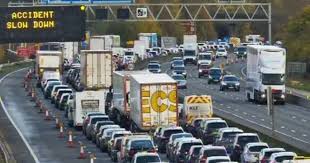
The M25 motorway — officially known as the London Orbital — is one of the busiest and most critical motorways in the United Kingdom. Every day, hundreds of thousands of commuters, freight vehicles, and long-distance travellers depend on it to reach key destinations such as Heathrow, Gatwick, and links to the M1, M4, and other major routes. National Highways monitors the motorway for incidents and closures, but most public traffic news sites lack depth, speed, and predictive insight. This guide fills those gaps with detailed updates, trends, causes, and practical advice for drivers. (National Highways)
Why Current M25 Traffic Coverage Is Incomplete
Popular resources like M25Traffic.co.uk, AA Route Planner, Highways England, RAC Traffic News, and BBC News Topic pages are useful for quick notes, but they fall short in several key areas:
1. Lack of Real-Time Context and Alerts
Many sites publish static incident lists without timestamps, impact analysis, or links to live feeds such as Traffic England or National Highways updates. Users are left unsure if delays are worsening or clearing. (M25 Traffic)
2. Minimal Detail on Causes
Most headlines are limited to “congestion” or “accident” without explaining why the traffic happened, what lanes are affected, whether diversions exist, or how long delays might last. (GB News)
3. No Predictive Forecasts
Current reports do not leverage historical trends or peak travel times. They rarely warn drivers of expected surge periods during holidays or weekends. ###
4. Little Practical Advice
There’s limited travel planning guidance such as alternate routes, real-time travel management tips, or tools to interact with live camera feeds or variable message signs. (X (formerly Twitter))
Real-Time M25 Traffic Highlights (2025)
Latest Incidents Causing Severe Delays
Here are some recent and significant causes of M25 disruption in 2025:
• Multi-vehicle collisions and road closures
Major collisions involving cars and HGVs have frequently closed multiple lanes on sections near Waltham Cross, Hertfordshire, and Heathrow, causing delays well over an hour. (GB News)
• Lorry fires leading to full closures
Vehicle fires, particularly involving heavy goods vehicles, have forced full motorway closures and diverging traffic for hours. (GB News)
• Congestion from spillages and barrier repairs
Oil spills and resultant cleanup have shut down lanes and extended tailbacks of several miles in Surrey and Essex. (GB News)
• Ongoing roadworks
National Highways has scheduled maintenance and improvement works which frequently close junctions or reduce lanes, often without detailed warnings on general news sites. (National Highways News)
Core Causes of M25 Traffic Congestion
Understanding the root causes of congestion helps drivers plan better and avoid hotspots. Below are key contributors:
1. Accidents and Breakdowns
The M25 consistently ranks as one of the UK’s busiest corridors with frequent breakdowns and collisions contributing heavily to delays. Research shows that over 27,000 incidents were reported in 2024, making the M25 one of the top breakdown hotspots. (The Irish News)
2. Planned and Unplanned Closures
Scheduled closures for roadworks and emergency repairs can cause major tailbacks — even when only junctions are affected. Unfortunately, many public traffic feeds don’t provide adequate advance notice. (National Highways News)
3. Holiday Traffic
Bank holidays, school breaks and seasonal weather changes (like strong winds or rain) amplify congestion across the orbital route. Weather-induced closures on nearby bridges or other motorways can push traffic onto the M25. (The Sun)
4. Weather and Seasonal Issues
Severe weather events can lead to wind closures of bridges and heavy rainfall delays that aren’t clearly forecast on many traffic sites. (The Sun)
Peak Congestion Zones and Hotspots
Traffic analysts and monitoring data identify several hotspots:
- Heathrow & M4/M25 interchange — highly prone to disruptions due to airport traffic and junction complexity. (The Standard)
- Junction 10 (Wisley interchange) — continuous lane closures and major maintenance have made this one of the most disrupted sections. (National Highways News)
- Essex Corridor near Basildon/Romford — frequent commuter delays reported daily. (The Standard)
Traffic Forecasts & Best Times to Travel
Peak Hours
Mornings (07:00–09:30) and evenings (16:30–18:30) on weekdays remain the busiest, often leading to delays of over 45 minutes even without incidents.
Holiday & Weekend Patterns
Long weekends and holiday travel often spike congestion mid-morning and mid-afternoon, especially heading into and out of London.
Weather Impact
Rainstorms and high winds typically prolong delays due to safety speed reductions and bridge closures. Drivers should check Traffic England and National Highways travel alerts before long trips. (National Highways)
Live Traffic Monitoring Tools (That Should Be Used More Widely)
To enhance driver awareness beyond static pages:
• Traffic England Live Alerts
Official incident and travel alert feeds provide near real-time updates on incidents across the UK’s motorways. (National Highways)
• National Highways Variable Message Signs (VMS)
Variable speed limits and lane closure messages help manage congestion before it becomes gridlock (though not always visible on public news sites). (Wikipedia)
• Social Media Live Feeds
Official X/Twitter feeds such as @HighwaysSEAST deliver live lane updates often minutes ahead of other news outlets. (X (formerly Twitter))
• CCTV Camera Networks
Live motorway cameras allow drivers to visually assess conditions prior to departure. (Motorway Cameras)
Practical Route Planning & Alternatives
Here are travel tips that many traffic update sites don’t emphasize:
1. Use Junction Bypass Routes
During closures at busy nodes like Junction 10, alternative county routes (A3, A320) can help avoid gridlock.
2. Consider Public Transport or Park & Ride
For travel into central London during peak congestion or planned closures, park & ride options and rail alternatives reduce stress and delay.
3. Check Before You Drive
Always review Traffic England, National Highways, and official feeds rather than relying solely on third-party summaries.
4. Adjust Departure Time
Leaving 60–90 minutes earlier or later than peak can significantly shorten travel time.
Conclusion
The M25 is crucial to Britain’s transport network but is also notoriously prone to congestion, accidents, closures, and weather-induced delays. Current traffic news websites provide basic updates but often lack real-time alerts, root cause context, predictive travel intelligence, and proactive planning guidance. This comprehensive guide bridges those gaps by offering frequent updates, insights on why congestion happens, live reporting tools, and actionable travel advice tailored for today’s drivers.
By using official live alerts, historical trend knowledge, and smart route planning, motorists can stay ahead of delays and make better decisions on the road.
